Starting the Year With a Smarter Construction Plan
The calendar flips to January, and suddenly every construction manager in Alberta faces the same reality: twelve months of projects, permits, and deadlines stretching ahead. Planning construction projects for the new year means making decisions now that will determine whether you’re celebrating completed milestones in December or scrambling to explain delays.
Here’s what I’ve observed after years watching Alberta construction projects succeed and fail: the difference rarely comes down to budget size or crew experience. It comes down to method selection. Choosing between hydrovac, horizontal directional drilling, and traditional excavation isn’t just a technical decision. It’s a strategic one that affects everything from your timeline to your community relationships.
Alberta presents unique challenges that other provinces simply don’t face. Frozen ground for five months, complex underground utility networks in urban areas, and increasingly strict environmental regulations create a planning environment where generic approaches fall flat. The companies that thrive here are the ones that understand when each excavation method makes sense and how to combine them effectively.
This guide breaks down what actually matters when planning hydrovac, HDD, and excavation projects across Alberta. No theoretical fluff, just practical guidance based on what works in Edmonton’s frozen clay, Calgary’s utility-dense corridors, and the rural pipeline routes connecting them.
Alberta’s Construction Landscape
Alberta’s construction sector operates under conditions that would make contractors in other regions nervous. The combination of extreme weather, complex regulations, and sensitive environmental areas creates a planning environment where experience matters enormously.
- Winter temperatures regularly drop below -30°C, affecting equipment performance and ground conditions
- Urban areas contain dense networks of utilities installed over 100+ years
- Energy sector infrastructure crosses environmentally sensitive lands
- Indigenous consultation requirements shape project timelines significantly
Seasonal Challenges That Affect Project Timelines
The Alberta construction season isn’t really twelve months. It’s more like two distinct seasons with different rules. From May through October, you’re racing against time to complete ground-disturbing work before freeze-up. November through April, you’re either working with specialized winter techniques or planning for the spring rush.
Ground frost penetration in northern Alberta can reach depths of 2-3 meters by late January. This fundamentally changes excavation approaches. Hydrovac services become essential during shoulder seasons when frost depth varies unpredictably. Traditional excavation costs increase substantially when frozen ground requires additional equipment.
Regulatory and Environmental Considerations in Alberta
Alberta’s regulatory framework has teeth. The Alberta Energy Regulator, Alberta Environment and Protected Areas, and municipal authorities all have oversight depending on your project type and location. Missing a permit or failing an inspection doesn’t just cause delays. It can shut down operations entirely.
Environmental assessments for projects near water bodies or wildlife corridors require months of lead time. Starting these processes in January for summer construction isn’t early planning. It’s minimum viable planning. Projects that skip this step often find themselves stalled in June, watching their construction window close.
The Role of Hydrovac Services in Modern Construction
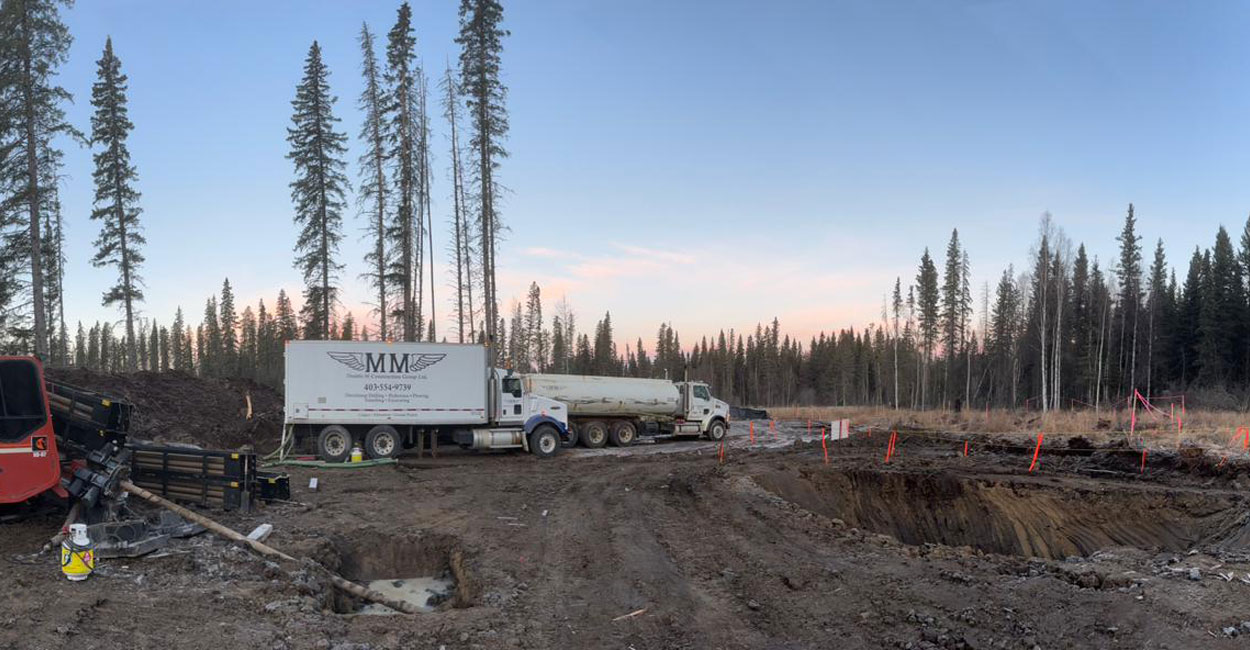
Hydrovac technology has transformed how Alberta contractors approach sensitive excavation work. The combination of heated, pressurized water and vacuum extraction allows precise soil removal without the damage risks associated with mechanical digging.
The technology works simply: heated water breaks up soil while a powerful vacuum simultaneously removes the slurry into a debris tank. This process exposes underground utilities without the contact that causes damage with traditional excavation equipment.
Common Applications for Hydrovac Services
Hydrovac services excel in specific situations that occur frequently across Alberta construction projects:
- Utility locates and daylighting before major excavation begins
- Potholing to verify underground infrastructure positions
- Excavation in congested urban areas with multiple utility crossings
- Winter ground removal when mechanical methods struggle with frost
- Work near sensitive infrastructure like fiber optic lines or gas mains
- Slot trenching for installing new utilities alongside existing ones
The precision matters financially. One accidental utility strike can cost $50,000 or more when you factor in repairs, delays, and regulatory penalties. Hydrovac’s non-destructive approach eliminates most of this risk.
Horizontal Directional Drilling for Underground Infrastructure
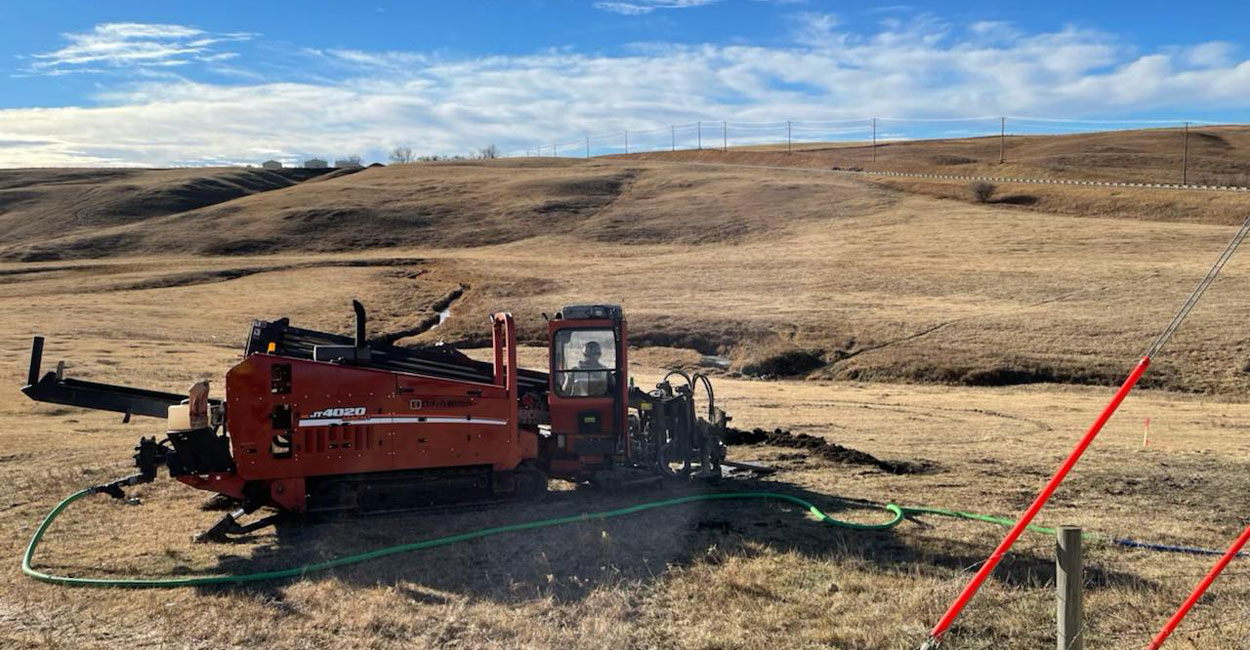
HDD represents the evolution of underground construction. Rather than trenching across the surface, HDD creates underground pathways that preserve surface conditions entirely. A drill enters at one point, travels underground along a planned path, and exits at another location.
This approach makes possible what surface excavation cannot achieve: crossing rivers, highways, and developed areas without disturbing what’s above. Pipeline installations, utility crossings, and fiber optic routes increasingly rely on HDD because surface disruption simply isn’t acceptable.
HDD Planning Considerations for the New Year
Successful HDD projects require extensive upfront planning that should begin months before drilling starts:
- Geotechnical surveys to understand soil conditions along the bore path
- Utility locates to identify any conflicts with the planned route
- Environmental permits for crossings near water bodies or sensitive areas
- Equipment staging plans, as HDD rigs require significant space
- Drilling fluid management and disposal arrangements
- Contingency plans for unexpected subsurface conditions
The bore path design determines project success. Soil types, groundwater levels, and existing infrastructure all influence whether a planned crossing will work. Skipping geotechnical investigation to save money upfront often costs far more when problems emerge mid-bore.
Traditional Excavation and When It Makes Sense
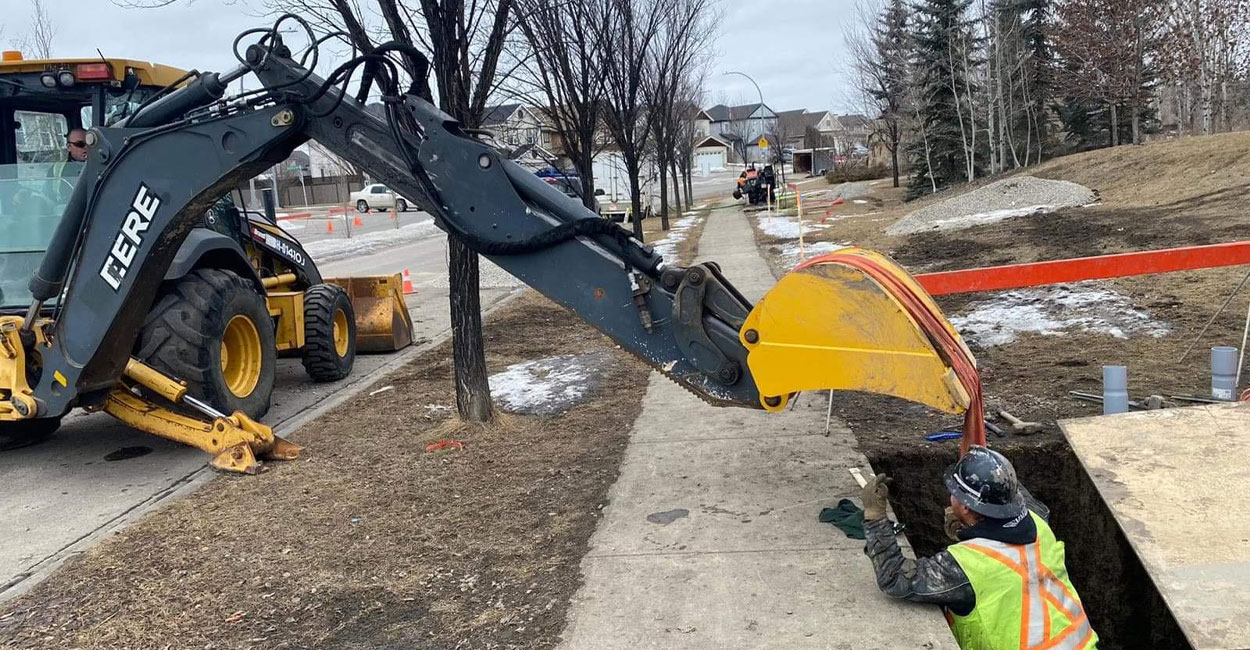
Despite the advantages of hydrovac and HDD, traditional excavation remains the right choice for many Alberta projects. Open-cut trenching with excavators and backhoes offers speed and cost advantages when conditions allow.
Traditional excavation works best where surface disruption is acceptable, underground utilities are minimal or absent, and project scale justifies mobilizing heavy equipment. Rural pipeline installations, new subdivision development, and large foundation work typically fall into this category.
Matching Excavation Methods to Project Scope
The decision framework for excavation method selection considers several factors:
- Surface sensitivity: Can the area tolerate open trenching and restoration?
- Utility density: How many underground conflicts exist along the route?
- Timeline: Does the schedule allow for slower, more precise methods?
- Budget: What’s the cost comparison including risk factors?
- Environmental requirements: Do permits restrict surface disturbance?
A 500-meter utility installation in a new industrial park probably calls for traditional excavation. The same installation through an established neighborhood with mature trees and multiple utility crossings demands hydrovac for locates and possibly HDD for the installation itself.
Combining Hydrovac, HDD, and Excavation Strategically
The most effective Alberta construction projects rarely rely on a single excavation method. They combine approaches strategically, using each technique where it delivers the most value.
A typical pipeline crossing project might use hydrovac for initial utility locates, HDD for the actual crossing, and traditional excavation for tie-in points where surface access is straightforward. This integrated approach minimizes both cost and risk.
Choosing the Right Method for Each Project Phase
Project phases have different requirements that favor different methods:
- Investigation phase: Hydrovac for potholing and utility verification
- Installation phase: HDD for crossings, traditional excavation for open areas
- Connection phase: Hydrovac for precision work near existing utilities
- Restoration phase: Traditional equipment for backfill and grading
Minimizing Risk Through Integrated Planning
Integrated planning means mapping out which method applies to each project segment before work begins. This prevents the expensive mid-project pivots that occur when teams discover their planned approach won’t work.
Risk reduction comes from matching method capabilities to site conditions. Hydrovac’s precision near utilities, HDD’s ability to avoid surface impacts, and traditional excavation’s efficiency in open areas each contribute to overall project success when deployed appropriately.
Budgeting and Scheduling for New Year Construction Projects
Construction budgets in Alberta need to account for factors that don’t appear in generic estimating guides. Fuel costs fluctuate with oil prices. Skilled operators command premium wages during busy seasons. Winter work premiums can add 15-30% to base costs.
Scheduling requires understanding the interdependencies between methods. HDD rigs may need weeks of lead time for mobilization. Hydrovac services book quickly during spring thaw when everyone needs utility locates. Traditional excavation crews often schedule months ahead for major projects.
Accurate Cost Forecasting for Specialized Services
Cost accuracy improves when estimates include these commonly overlooked factors:
- Mobilization and demobilization for specialized equipment
- Disposal fees for hydrovac slurry and drilling fluids
- Winter premiums for heated equipment and extended work hours
- Permit fees and inspection costs
- Utility locate services and one-call fees
- Contingency for unexpected underground conditions
Building 10-15% contingency into specialized service budgets isn’t pessimism. It’s realism based on how Alberta projects actually unfold.
Aligning Schedules With Seasonal Conditions
Smart scheduling works with Alberta’s seasons rather than against them. Ground-disturbing work during optimal soil conditions costs less and proceeds faster. Winter work, while sometimes necessary, should be planned rather than forced by schedule slippage.
The spring construction rush creates resource competition. Booking specialized services like hydrovac and HDD in January for April-May work ensures availability. Waiting until March often means accepting whatever schedule slots remain.
Safety and Risk Management in Early Project Planning
Safety planning can’t be an afterthought added once work begins. The decisions made during project planning determine what hazards workers will face and what controls will be available.
Alberta’s construction safety requirements are specific and enforced. The Occupational Health and Safety Act and associated regulations establish minimum standards, but effective safety programs exceed these minimums.
Protecting Underground Utilities and Infrastructure
Underground utility strikes remain one of the most common and preventable construction incidents. Alberta One-Call provides locate services, but responsibility for safe excavation practices rests with contractors.
Key protective measures include:
- Requesting locates at least three working days before excavation
- Using hydrovac to expose utilities before mechanical excavation nearby
- Maintaining required clearances from marked utilities
- Verifying that locate markings remain visible throughout work
- Having emergency response plans for accidental strikes
Meeting Alberta Safety Standards and Best Practices
Alberta safety standards cover equipment operation, excavation procedures, confined space entry, and numerous other construction activities. Compliance requires trained personnel, proper equipment, and documented procedures.
Best practices extend beyond minimum compliance. Pre-job safety meetings, hazard assessments for each work area, and stop-work authority for all workers create cultures where incidents are prevented rather than just investigated afterward.
Indigenous Relations and Responsible Project Development
Construction projects across Alberta increasingly intersect with Indigenous rights and interests. Duty to consult requirements, impact benefit agreements, and community engagement have become standard elements of responsible project development.
This isn’t just regulatory compliance. It’s recognition that long-term project success depends on relationships with the communities where work occurs.
Building Trust Through Early Engagement
Early engagement means contacting potentially affected Indigenous communities before project plans are finalized. This allows genuine input rather than token consultation on predetermined outcomes.
Effective engagement includes clear communication about project scope, honest discussion of potential impacts, and willingness to modify plans based on community input. Rushing this process to meet construction timelines damages relationships and often causes greater delays when concerns emerge later.
Supporting Long Term Community Outcomes
Meaningful Indigenous participation extends beyond consultation to include employment opportunities, contracting preferences, and capacity building. Projects that create lasting benefits for Indigenous communities build the social license that enables future work.
Training programs, apprenticeship opportunities, and partnerships with Indigenous-owned businesses demonstrate commitment to outcomes that outlast individual projects.

Sustainability and Environmental Responsibility
Environmental responsibility in construction has evolved from regulatory burden to competitive advantage. Clients increasingly specify environmental performance requirements, and communities expect construction activities to minimize lasting impacts.
Reducing Surface Disruption
Surface disruption reduction starts with method selection. HDD eliminates surface disturbance along bore paths entirely. Hydrovac minimizes excavation footprints compared to traditional methods. Strategic access planning reduces the number of disturbance areas required.
Restoration planning should begin before disturbance occurs. Understanding what vegetation, drainage patterns, and soil conditions exist before construction enables effective restoration afterward.
Supporting Environmentally Responsible Construction Practices
Environmentally responsible practices include:
- Proper handling and disposal of drilling fluids and excavation waste
- Erosion and sediment control throughout construction
- Protection of water bodies and wetlands near work areas
- Minimizing equipment idling and unnecessary vehicle trips
- Recycling construction materials where possible
These practices often reduce costs while improving environmental outcomes. Less waste means lower disposal fees. Better planning means less rework and reduced fuel consumption.
Preparing for Growth and Infrastructure Demands
Alberta’s infrastructure needs continue growing. Population increases, energy transition projects, and aging utility replacement create sustained demand for construction services. Planning for this growth means building organizational capacity alongside project capacity.
Planning for Long Term Asset Performance
Infrastructure investments should consider lifecycle costs, not just construction costs. Proper installation methods, quality materials, and thorough documentation support long-term asset performance.
HDD installations that avoid surface disturbance often have longer service lives than trenched installations subject to surface loading and settlement. Hydrovac’s precision reduces the incidental damage that can compromise utility integrity. These method choices affect asset performance for decades.
Setting Construction Projects Up for Success in the New Year
Planning construction projects across Alberta requires understanding how hydrovac, HDD, and excavation methods complement each other. The companies that succeed aren’t those with the biggest equipment fleets or lowest bid prices. They’re the ones that match methods to conditions and plan thoroughly before breaking ground.
Start your new year planning by assessing which projects in your pipeline would benefit from integrated approaches. Consider where hydrovac’s precision could reduce utility strike risks, where HDD could eliminate surface restoration costs, and where traditional excavation remains the most efficient choice.
At Double M Construction Group, we pride ourselves on being the premier provider of Horizontal Directional Drilling, Hydrovac, and Excavation services across Alberta and Western Canada. With our base in Calgary, Edmonton, and Grande Prairie, we are dedicated to delivering top-notch construction solutions that prioritize experience, the environment, and people. Our team is equipped with the knowledge, experience, and equipment necessary to handle complex crossings and projects, ensuring a seamless and efficient construction process for our clients.
The decisions you make now shape your entire construction year. Invest the time in thorough planning, select methods strategically, and build relationships with service providers who understand Alberta’s unique conditions. That’s how you turn January planning into December celebrations.